|
|
|
|
|
|
|
|
|
|
|
|
|
|
|
|
|
|
|
|
|
|
|
|
|
|
|
|
|
Why go birding in Europe? Why go birding in Spain? Why go birding in Catalonia?
|
|
|
|
|
|
|
|
|
|
|
|
|
|
Browse species by heading:
|
|
|
|
A fair question. Why would one choose to come for a birding holiday, bird watching short break or guided bird tour in Spain?
To put it simply, Spain has the most sought-after birds in Europe - officially the greatest abundance, widest variety and highest species density of regularly seen birds in the whole continent. And many of these are rare or threatened, can only be seen in Spain or have the vast majority of their populations within the Spanish borders.
This remarkable abundance and diversity is simply due to its incredible variety of habitats and climates and its geographical location, on a natural migration route between the European and African continents.
Although Extremadura and Andalusia will spring into the minds of most world birders, actually the majority of Spain's regions contain almost all of the habitat types listed for the country as a whole. Catalonia, for instance, is one of the smallest and yet has the greatest variety of habitat. It therefore officially boasts more breeding species than anywhere else on the Iberian peninsular.
|
|
|
|
|
|
|
|
|
|
|
|
|
|
|
|
|
|
|
|
|
|
|
|
|
|
|
|
|
|
|
|
|
|
|
|
|
|
|
|
|
|
|
|
|
|
|
|
|
|
Birding in Catalonia
|
|
|
|
|
|
|
|
|
|
|
|
|
|
|
|
|
|
|
|
|
|
|
|
If this surprises you, consider that one of the most important wetlands in Europe, The Ebro Delta, together with The Pyrenees, the dryland Steppes of Lleida and 700km of coastline are all within Catalonia’s boundary - and all within easy reach of Barcelona.
The resulting 232 regularly breeding species (90% of Spain’s as a whole) are distributed across just 30,000 km2, one quarter the size of England and one-third the size of southern Spain’s Andalucia, whose birds are dispersed across nearly 90,000 km2.
This means that, together with its location for migrants (producing 95% of Iberia's and 50% of the whole Palearctic region's recorded bird species) and the spectacular influx of birds taking advantage of its mild winters, a greater diversity of bird life is offered in such proximity nowhere else in Spain, and probably Europe.
For many, birding in Spain is the best in Europe. And for many who’ve been here, birding in Catalonia is the best in Spain. And here are the reasons why... (next...)
|
|
|
|
|
|
|
|
|
|
|
|
|
|
|
|
|
1a.
|
|
The Top Twenty client target species.
|
|
|
Bird Library:
|
|
|
|
|
|
|
|
|
|
|
|
|
|
|
 |
|
 |
|
 |
|
 |
|
|
|
|
|
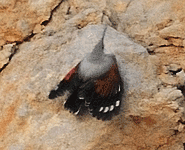
1. Wallcreeper
|
|
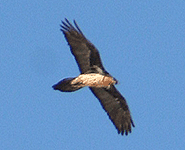
2. Lammergeier
|
|
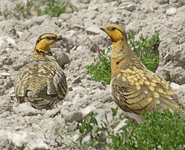
3. Pin-tailed Sandgrouse
|
|
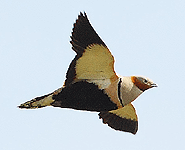
4.Black-bellied Sandgrouse
|
|
|
|
|
|
|
|
|
|
|
|
|
|
|
|
Highest population: Spain
E.U. Countries: 16
Status: not threatened
Guided bird tours:
Resident in the Pyrenees, winters in the Garraf.
|
|
Highest population: Spain:
E.U Countries: 4
Status: SPEC 3
Endangered in Spain
Guided bird tours:
Resident in the Pyrenees.
|
|
Highest population: Spain
E.U. Countries: 3
Status: SPEC 3
Vulnerable in Spain
Guided bird tours:
Resident in the Steppes.
|
|
Highest Population: Spain
E.U. Countries: 2
Status: SPEC 3
Vulnerable in Spain
Guided bird tours:
Resident in the Steppes.
|
|
|
|
|
|
|
|
|
|
|
|
|
|
|
|
|
|
|
|
|
|
|
|
|
|
|
|
|
|
|
|
|
|
|
|
|
|
|
|
|
|
|
|
|
|
|
|
|
|
|
|
|
5. Little Bustard
|
|
6. Dupont's Lark
|
|
7. Citril Finch
|
|
8. Black Wheatear
|
|
|
|
|
|
|
|
|
|
|
|
|
|
|
|
|
|
Highest Population: Spain
E.U. Countries: 5
Status: SPEC 1; IUCN NT
Guided bird tours:
Resident in the Steppes.
|
|
Highest Population: Spain
E.U. Countries: 1
Status: SPEC 3; IUCN NT
Guided bird tours:
Resident in the Spanish Steppes.
|
|
Highest Population: Spain
E.U. Countries: 9
Status: SPEC 4
Guided bird tours:
Resident in the Pyrenees.
|
|
Highest Population: Spain
E.U. Countries: 3
Status: SPEC 3
Guided bird tours:
Resident in the Garraf and Steppes.
|
|
|
|
|
|
|
|
|
|
|
|
|
|
|
|
|
|
|
|
|
|
|
|
|
|
|
|
|
|
|
|
|
|
|
|
|
|
|
|
|
|
 |
|
 |
|
 |
|
 |
|
|
|
|
|
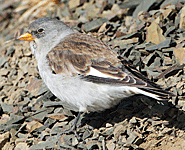
9. Snowfinch
|
|
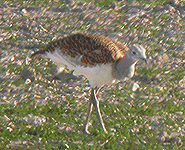
10. Great Bustard
|
|
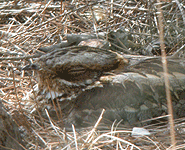
11. Red-necked Nightjar
|
|
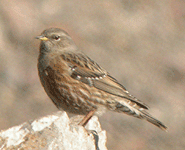
12. Alpine Accentor
|
|
|
|
|
|
|
|
|
|
|
|
|
|
|
|
|
|
Highest Population: Spain
E.U. Countries: 11
Status: not threatened
Guided bird tours:
Winters in the Pyrenees.
|
|
Highest Population: Spain
E.U. Countries: 11
Status: SPEC 1; IUCN VU
Guided bird tours:
Spanish Steppes
(Sept-Mar).
|
|
Highest Population: Spain
E.U. Countries: 2
Status: not threatened
Guided bird tours:
Steppes, Garraf;
summer migrant.
|
|
Highest Population: Spain
E.U. Countries: 18
Status: not threatened
Guided bird tours:
Cap de Creus, Pyrenees, Garraf; winter and spring.
|
|
|
|
|
|
|
|
|
|
|
|
|
|
|
|
|
|
|
|
|
|
|
|
|
|
|
|
|
|
|
|
|
|
|
|
|
|
|
|
|
|
|
|
|
|
|
|
|
|
|
|
|
|
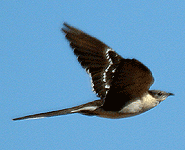
13. Great Spotted Cuckoo
|
|
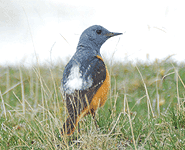
14. Rock Thrush
|
|
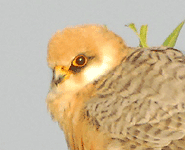
15. Red-footed Falcon
|
|
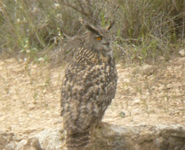
16. Eagle Owl
|
|
|
|
|
|
|
|
|
|
|
|
|
|
|
|
|
|
Highest Population: Spain
E.U. Countries: 8
Status: not threatened
Guided bird tours:
Aiguamolls, Steppes;
early summer migrant
|
|
|
|
Passage migrant only
Status: SPEC cat 3
IUCN NT
Guided bird tours:
and .
|
|
|
|
|
|
|
|
|
|
|
|
|
|
|
|
|
|
|
|
|
|
|
|
|
|
|
|
|
|
|
|
|
|
|
|
|
|
|
|
|
|
|
|
|
|
|
|
|
|
|
|
|
|
|
|
|
|
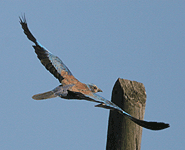
17. Roller
|
|
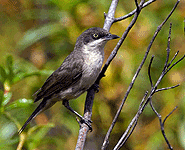
18. W. Orphean Warbler
|
|
19. Bonelli's Eagle
|
|
20. Spectacled Warbler
|
|
|
|
|
|
|
|
|
|
|
|
|
|
|
|
|
|
Highest Population: Spain
E.U. Countries: 21
Status: SPEC 2; IUCN NT
Guided bird tours:
Steppes, Aiguamolls;
summer migrant
|
|
Highest Population: Spain
E.U. Countries: 4
Status: SPEC 3
Guided bird tours:
ALL on passage; Cap de Creus, summer migrant.
|
|
Highest Population: Spain
E.U. Countries: 7
Status: SPEC 3, Endangered in Spain
Guided bird tours: resident in Cap de Creus, Garraf.
|
|
Highest Population: Spain
E.U. Countries: 8
Status: not threatened
Guided bird tours: Garraf,
Cap de Creus, Steppes;
summer migrant
|
|
|
|
|
|
|
|
|
|
|
|
|
|
|
|
|
|
|
|
|
|
|
|
|
|
|
|
|
|
1b.
|
|
|
|
|
|
|
|
|
|
|
|
|
|
|
|
|
|
|
|
Some target species present difficulties due to the birds' cryptic plumage, secretive or nomadic behaviour, localised distribution, inaccessible habitat or narrow window of opportunity with regards to migration.
Black Woodpecker, Moustached Warbler, Savi's Warbler, Baillon's Crake and Levantine (Yelkouan) Shearwater may fall under this category but, even if you're not using a local bird guide, Catalonia has an excellent network of reserves, roads and information. next | back
|
|
|
|
|
|
|
|
|
|
|
|
|
|
|
|
|
|
|
|
 |
|
 |
|
|
|
|
|
|
|
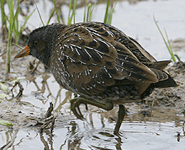
Spotted Crake
|
|
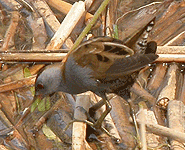
Little Crake
|
|
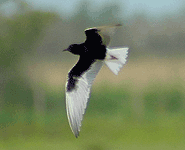
White-winged Tern
|
|
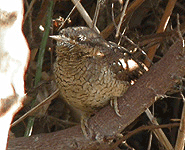
Wryneck
|
|
|
|
|
|
|
|
|
|
|
|
|
|
|
|
|
|
|
|
|
|
|
|
|
|
|
|
|
|
|
|
|
|
|
|
|
|
|
|
|
|
|
|
|
|
|
|
|
|
|
|
|
|
|
|
|
|
|
|
|
|
|
|
|
|
 |
|
 |
|
 |
|
 |
|
|
|
|
|
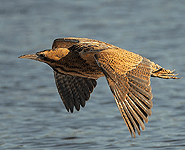
Great Bittern
|
|
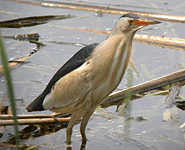
Little Bittern
|
|
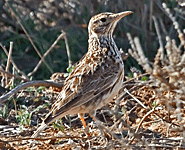
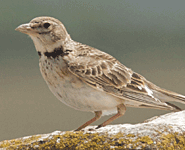
Calandra Lark
|
|
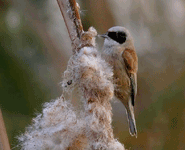
Penduline Tit
|
|
|
|
|
|
|
|
|
|
|
|
|
|
|
|
|
|
|
|
|
|
Highest Population: Spain
E.U. Countries: 11
Status: SPEC 3
Guided bird tours:
Steppes
Resident.
|
|
|
|
|
|
|
|
|
|
|
|
|
|
|
|
|
|
|
|
|
|
|
|
|
|
|
|
|
|
|
|
|
2a.
|
|
|
|
|
|
|
|
|
|
|
|
|
|
|
|
|
|
|
|
Spain’s expansive and extremely varied habitat provides a stronghold for rare and endangered birdlife, playing host to no less than 119 (46%) of Europe's regularly breeding bird species that are facing an uncertain future according to a Birdlife International survey. IUCN red-listed species on this page are labelled, e.g. IUCN XX (explanation).
In Catalonia, over 150 species that regularly breed, winter or pass through are rare or threatened in some way, classified as having an unfavourable conservation status on a global, European or nationwide level. next | back
|
|
|
|
|
|
|
|
|
|
|
|
|
|
|
|
|
|
|
 |
|
 |
|
 |
|
 |
|
|
|
|
|
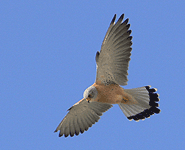
Lesser Kestrel
|
|
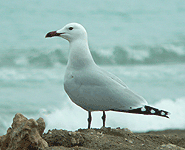
Audouin's Gull
|
|
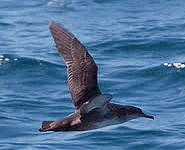
Balearic Shearwater
|
|
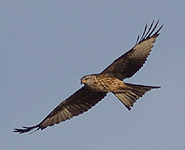
Red Kite
|
|
|
|
|
|
|
|
|
|
|
|
|
|
|
|
|
|
Highest Population: Spain
E.U. Countries: 13
Status: SPEC 1; IUCN VU
Guided bird tours:
Steppes;
early summer migrant.
|
|
|
|
|
|
2nd highest population
E.U. Countries: 24
Status: SPEC 2; IUCN NT
Guided bird tours:
ALL on passage; Steppes; Resident.
|
|
|
|
|
|
|
|
|
|
|
|
|
|
|
|
|
|
|
|
|
|
|
|
|
|
|
|
|
|
|
|
|
|
|
|
|
|
|
|
|
|
 |
|
 |
|
 |
|
 |
|
|
|
|
|
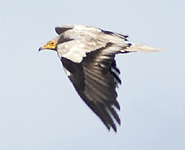
Egyptian Vulture
|
|
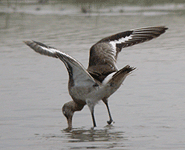
Black-tailed Godwit
|
|
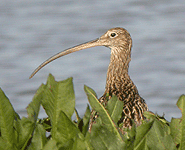
Eurasian Curlew
|
|
Dartford Warbler
|
|
|
|
|
|
|
|
|
|
|
|
|
|
|
|
|
|
Highest Population: Spain
E.U. Countries: 10
Status: SPEC 3; IUCN EN
Guided bird tours:
Steppes, Barcelona;
summer migrant.
|
|
|
|
|
|
Highest Population: Spain
E.U. Countries: 7
Status: SPEC 2; IUCN NT
Guided bird tours:
Resident in Cap de Creus, Garraf and the Steppes.
|
|
|
|
|
|
|
|
|
|
|
|
|
|
|
|
|
|
|
|
|
|
|
|
|
|
|
|
|
|
2b.
|
|
|
|
|
|
|
|
|
|
|
|
|
|
|
|
|
|
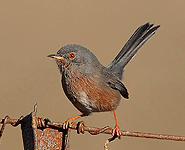
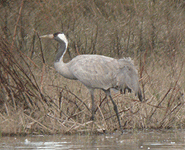
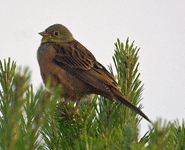
In addition to the IUCN Red Listed and SPEC 1 birds that are internationally threatened, the 150+ species referred to above are categorised, for the most part, as having an unfavourable conservation status in Europe - SPEC 3, if their populations are not concentrated in Europe, or SPEC 2, if they have more than 50% of their global population within European boundaries. SPEC-listed species on this page are labelled, e.g. SPEC 2 (Explanation).
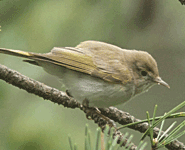
Eleonora’s Falcon, Cory’s Shearwater, Lesser Grey Shrike, Scops Owl and even White Stork are examples of the latter. next | back
|
|
|
|
|
|
|
|
|
|
|
|
|
|
|
|
|
|
 |
|
 |
|
 |
|
 |
|
|
|
|
|
Common Crane
|
|
European Nightjar
|
|
Ortolan Bunting
|
|
W. Bonelli's Warbler
|
|
|
|
|
|
|
|
|
|
|
|
|
|
|
|
|
|
|
|
Highest Population: Spain
E.U. Countries: 33
Status: SPEC 1
Guided bird tours:
Summer Twilight Tours;
summer migrant.
|
|
Highest Population: Spain
E.U. Countries: 30
Status: SPEC 2
Guided bird tours:
Cap de Creus, Garraf;
summer migrant
|
|
Highest Population: Spain
E.U. Countries: 10
Status: SPEC 2
Guided bird tours:
Pyrenees, Garraf, Steppes;
summer migrant
|
|
|
|
|
|
|
|
|
|
|
|
|
|
|
|
|
|
|
|
|
|
|
|
|
|
|
|
|
|
|
|
|
|
|
|
|
|
|
|
|
|
 |
|
 |
|
 |
|
 |
|
|
|
|
|
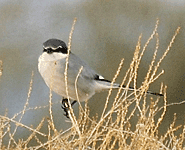
Iberian Grey Shrike
|
|
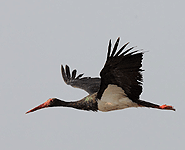
Black Stork
|
|
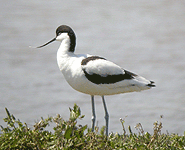
Pied Avocet
|
|
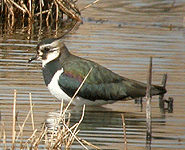
Northern Lapwing
|
|
|
|
|
|
|
|
|
|
|
|
|
|
|
|
|
|
Highest Population: Spain
E.U. Countries: 3
Status: SPEC 2
Guided bird tours:
Resident in Steppes and Garraf.
|
|
|
|
|
|
|
|
|
|
|
|
|
|
|
|
|
|
|
|
|
|
|
|
|
|
|
|
|
|
|
|
|
|
|
|
3.
|
|
Limited to five or less countries in Europe (EBCC Atlas).
|
|
|
|
|
|
|
|
|
|
|
|
|
|
|
|
|
|
Many European bird species' breeding distribution is weighted heavily in favour of Spain, with twenty-seven even limited to four or less other countries - thus contributing to a species-diversity that many others lack.
For example, Balearic Shearwater breeds nowhere else in the world, Crested Coot and Dupont’s Lark breed nowhere else in Europe and Red-necked Nightjar and Black-bellied Sandgrouse breed in only one other European country.
In addition, many species, although localised to a handful of European countries outside Spain for reproduction, regularly utilise Catalonia’s food resources during the winter, on migration or when, still clothed in summer plumage, thousands of failed- and post-breeding waders arrive as June, July and August progress. next | back
|
|
|
|
|
|
|
|
|
|
|
|
|
|
|
|
|
|
 |
|
 |
|
 |
|
 |
|
|
|
|
|
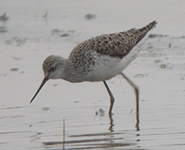
Marsh Sandpiper
|
|
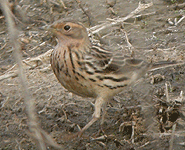
Red-throated Pipit
|
|
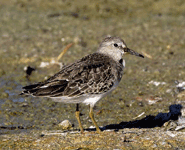
Temminck's Stint
|
|
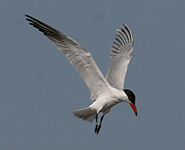
Caspian Tern
|
|
|
|
|
|
|
|
|
|
|
|
|
|
|
|
|
|
|
|
|
|
|
|
|
|
|
|
|
|
|
|
|
|
|
|
|
|
|
|
|
|
|
|
|
|
|
|
|
|
|
|
|
|
|
|
|
|
|
|
|
|
|
|
|
|
 |
|
 |
|
 |
|
 |
|
|
|
|
|
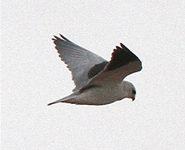
Black-shouldered Kite
|
|
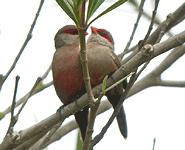
Common Waxbill
|
|
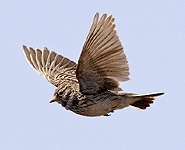
Lesser Short-toed Lark
|
|
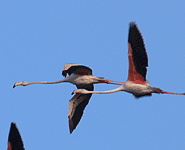
Greater Flamingo
|
|
|
|
|
|
|
|
|
|
|
|
|
|
|
|
|
|
Highest Population: Spain
E.U. Countries: 2
Status: SPEC 3
Guided bird tours:
Rare in Steppes and Aiguamolls.
|
|
2nd highest population
E.U. Countries: 2
Status: not threatened
Guided bird tours:
Llobregat;
Resident.
|
|
Highest Population: Spain
E.U. Countries: 3
Status: SPEC 3; Spain NT
Guided bird tours:
Resident in Ebro Delta and Steppes.
|
|
|
|
|
|
|
|
|
|
|
|
|
|
|
|
|
|
|
|
|
|
|
|
|
|
|
|
|
|
|
|
|
|
|
|
|
|
|
|
|
|
|
|
 |
|
 |
|
 |
|
 |
|
|
|
|
|
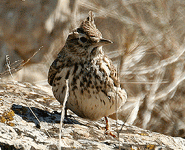
Thekla Lark
|
|
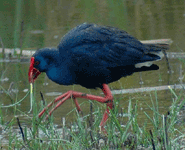
Purple Swamphen
|
|
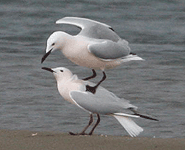
Slender-billed Gull
|
|
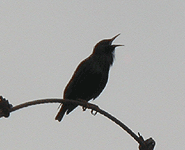
Spotless Starling
|
|
|
|
|
|
|
|
|
|
|
|
|
|
|
|
|
|
|
|
|
|
3rd highest population
E.U. Countries: 5
Status: SPEC 3; Spain VU
Guided bird tours:
Resident in Ebro Delta, Passage in Llobregat.
|
|
|
|
|
|
|
|
|
|
|
|
|
|
|
|
|
|
|
|
|
|
|
|
|
|
|
|
|
|
|
|
4.
|
|
|
|
|
|
|
|
|
|
|
|
|
|
|
|
|
|
Spain has over 530 bird species recorded and, compared to other countries like the UK that have a high percentage of rare vagrants on their official lists, Spain and Catalonia’s checklists are made-up of mostly regularly seen residents, summer breeders, winter visitors and passage migrants.
Of Europe’s approximately 500 regularly breeding species, about 20% (at least 96 species) have their highest concentrations in Spain (see below) and the country hosts the second largest populations of a further 26 species.
And these birds are also concentrated in a relatively small area. Its 261 regularly breeding species equals five species for each 10,000km2 of land, the highest breeding bird species-density in Europe (inc. Russia). next | back
|
|
|
|
|
|
|
|
|
|
|
|
|
|
|
|
|
|
 |
|
 |
|
 |
|
 |
|
|
|
|
|
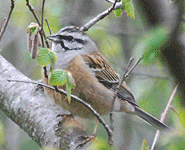
Rock Bunting
|
|
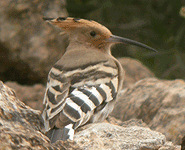
Hoopoe
|
|
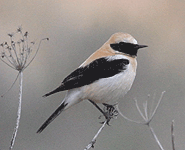
Black-eared Wheatear
|
|
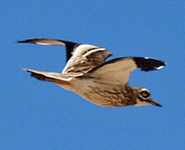
Stone-curlew
|
|
|
|
|
|
|
|
|
|
|
|
|
|
|
|
|
|
|
|
|
|
|
|
|
|
|
|
|
|
|
|
|
|
|
|
|
|
|
|
|
|
|
|
|
|
|
|
|
|
|
|
|
|
|
|
|
|
|
|
|
|
|
|
|
|
 |
|
 |
|
 |
|
 |
|
|
|
|
|
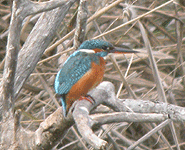
Kingfisher
|
|
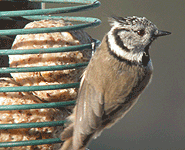
Crested Tit
|
|
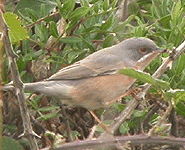
Sub-alpine Warbler
|
|
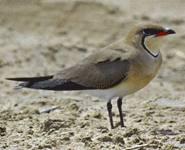
Collared Pratincole
|
|
|
|
|
|
|
|
|
|
|
|
|
|
|
|
|
|
|
|
|
|
Highest Population: Spain
E.U. Countries: 10
Status: not threatened
Guided bird tours:
ALL, widespread summer migrant.
|
|
|
|
|
|
|
|
|
|
|
|
|
|
|
|
|
|
|
|
|
|
|
|
|
|
|
|
|
|
|
|
|
|
|
|
|
|
|
|
|
|
|
|
 |
|
 |
|
 |
|
 |
|
|
|
|
|
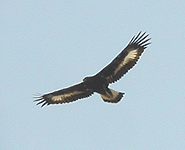
Golden Eagle
|
|
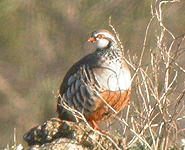
Red-legged Partridge
|
|
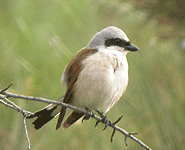
Red-backed Shrike
|
|
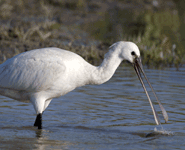
Spoonbill
|
|
|
|
|
|
|
|
|
|
|
|
|
|
|
|
|
|
Highest Population: Spain
Status: SPEC 3, Spain NT
Guided bird tours:
Steppes and Pyrenees;
Resident.
|
|
|
|
|
|
|
|
|
|
|
|
|
|
|
|
|
|
|
|
|
|
|
|
|
|
|
|
|
|
|
|
|
|
|
|
5.
|
|
|
|
|
|
|
|
|
|
|
|
|
|
|
|
|
|
 |
|
 |
|
 |
|
 |
|
|
|
|
|
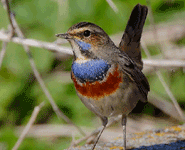
Bluethroat
|
|
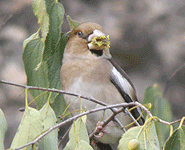
Hawfinch
|
|
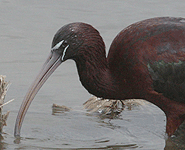
Glossy Ibis
|
|
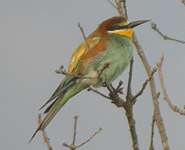
Bee-eater
|
|
|
|
|
|
|
|
|
|
|
|
|
|
|
|
|
|
|
|
Winter migrant and localised breeder.
E.U. Countries: 32
Status: SPEC 3
Guided bird tours:
Pyrenees, Garraf
|
|
|
|
2nd highest population
E.U. Countries: 21
Status: SPEC 3
Guided bird tours:
ALL TOURS;
summer migrant.
|
|
|
|
|
|
|
|
|
|
|
|
|
|
|
|
|
|
|
|
|
|
|
|
|
|
|
|
|
|
|
|
|
|
|
|
|
|
|
|
|
|
 |
|
 |
|
 |
|
 |
|
|
|
|
|
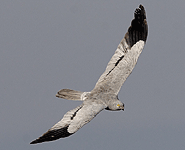
Montagu's Harrier
|
|
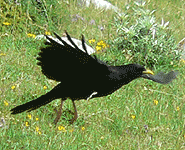
Alpine Chough
|
|
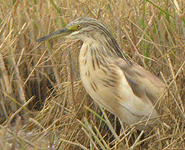
Squacco Heron
|
|
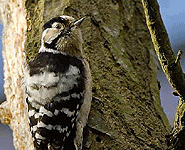
Lesser Spotted Woodpecker
|
|
|
|
|
|
|
|
|
|
|
|
|
|
|
|
|
|
|
|
2nd highest population
E.U. Countries: 13
Status: not threatened
Guided bird tours:
Pyrenees;
Resident.
|
|
|
|
E.U. Countries: 33
Status: not threatened
Guided bird tours:
Aiguamolls, Pyrenees; Resident.
|
|
|
|
|
|
|
|
|
|
|
|
|
|
|
|
|
|
|
|
|
|
|
|
|
|
Many thanks to the following for the use of their photos:
Stewart Abbott, John Cantelo, Derek Charles, Michael Cox, Martin Cracknell, Jamie Durrant, Ian Ellis, Michael Frankling, Mark Hiley, Zac Hinchcliffe, Mark Lewis, David Linstead, Ken Lossy, Steve Mandel, Jean-Michel Paulus, Dilys Powell, Darren Shirley, Alex Vargas and Phillip West.
and in particular to professional photographer, Steve Fletcher, for filling in some of the gaps in quality as well as species.
|
|
|
|
|
|
|
|
|
|
|
|
|
|
|
|
|
|
|
|